
What Does Hyaluronic Acid Do?
Key Takeaways
-
Hyaluronic acid is a naturally found sugar molecule in your body that acts as a water magnet, capable of binding water up to 1,000 times its molecular weight to keep skin hydrated, joints lubricated, and eyes comfortable.
-
For skin, hyaluronic acid helps retain moisture, supports the skin moisture barrier, creates plumper skin, and softens fine lines and wrinkles across all skin types.
-
Products range from topical hyaluronic acid serums and creams for daily hydration, to hyaluronic acid supplements for systemic support, to hyaluronic acid injections for targeted volume restoration.
-
Apply hyaluronic acid to damp skin and seal with moisturizer to maximize hydration benefits and prevent moisture loss in dry environments.
-
When used correctly, HA is safe for sensitive skin, oily skin, and mature skin alike, though injectables carry additional risks requiring medical supervision.
Introduction: Why Hyaluronic Acid Matters in 2026
Over the past decade, hyaluronic acid has become one of the most searched skincare ingredients worldwide. From serums and moisturizers to dermal fillers and joint supplements, this molecule appears everywhere—and for good reason.
But hyaluronic acid is far more than a marketing trend. Discovered in 1934, it’s a naturally occurring substance found in your skin, connective tissue, and synovial fluid. Medical applications expanded in the 1990s with viscosupplementation for knee osteoarthritis, and cosmetic use has grown steadily since. This article breaks down exactly what hyaluronic acid does in your body, how it benefits skin health, and how to use it effectively in your skincare routine.
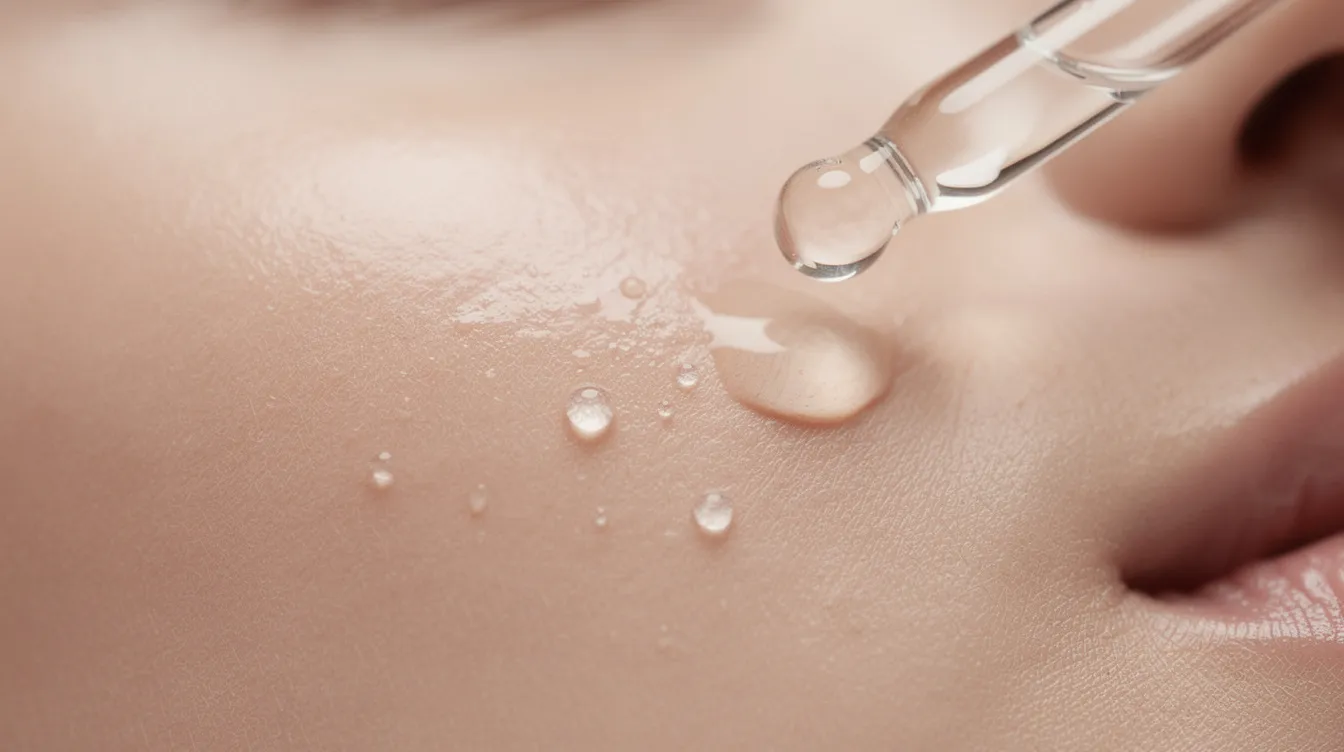
What Is Hyaluronic Acid, Exactly?
Hyaluronic acid is a glycosaminoglycan—essentially a long-chain sugar molecule—that binds water and provides hydration throughout the body. Approximately 50% of your body’s total HA resides in the skin, with the remainder found in joint fluid, eyes, and other connective tissue, and it’s widely used in skincare for hydration, plumping, and wrinkle reduction.
The molecule’s humectant properties are remarkable. Research shows a single gram can hold up to six liters of water, making it essential for maintaining skin’s moisture levels and cushioning joints. Products use different molecular weight variants: high-molecular-weight HA sits on the skin’s surface providing hydration, while lower-molecular-weight forms penetrate more deeply into the stratum corneum.
When reading product labels, you’ll notice both “hyaluronic acid” and “sodium hyaluronate.” The latter is simply a salt form with smaller molecules, offering better stability and absorption in skincare products.
What Does Hyaluronic Acid Do for Your Skin?
Hyaluronic acid work centers on one key function: drawing water into the outer skin layers. Acting as a water magnet, it pulls moisture from the environment and deeper dermis to provide hydration where you need it most.
The visible results include plumper skin, smoother texture, enhanced radiance, and softened fine lines and wrinkles. HA supports the skin moisture barrier by saturating skin cells with water, reducing dryness and tightness from environmental stressors. You’ll find this key ingredient in serums, moisturizers, eye creams, and masks—any format that delivers added hydration.
Importantly, hyaluronic acid doesn’t change whether you have dry skin or oily skin. Instead, it improves hydration across all skin types, making every complexion appear healthier and more balanced.
Key Skin Benefits of Hyaluronic Acid
The benefits of hyaluronic acid extend across age groups, from prevention-focused twenty-somethings to those addressing volume loss in their fifties and beyond. Here’s how HA delivers measurable skin benefits.
Deep Hydration and Moisture Retention
HA pulls water from the atmosphere and deeper skin layers to the surface, increasing hydration in the stratum corneum. Clinical studies show this can reduce transepidermal water loss by 20-30%. Targeted formulas like multi-weight hyaluronic acid serums are designed to maximize this deep hydration effect.
The distinction matters: skin dehydration reflects a lack of water, not oil. Even oily skin can be dehydrated and benefit from HA. When applied to damp skin and sealed with moisturizer, a well-formulated hyaluronic acid serum keeps skin hydrated throughout the day—particularly helpful in dry, heated office environments where water loss accelerates.
Supporting the Skin Barrier
Your skin moisture barrier consists of corneocytes and lipids that keep water in and irritants out. When compromised by over-exfoliation or harsh weather, skin feels rough, stings easily, and appears flaky.
Hyaluronic acid helps indirectly by saturating outer layers with water, making them more flexible and resilient. Combined with ceramides and other barrier-repairing lipids, or a hyaluronic acid–based hydrating face cream, consistent HA use can reduce sensitivity and improve comfort for compromised skin over several weeks.
Plumping and Firming Effect
Natural hyaluronic acid levels decline starting in the late 20s—by up to 50% as you age. This contributes to lost volume and skin elasticity.
While topical hyaluronic acid doesn’t rebuild deep collagen, it creates visible plumper skin by filling the surface with water. This effect appears within minutes of application, with longer-term use improving overall texture, especially when combined with a collagen-boosting serum. Note that this surface plumping differs from hyaluronic acid fillers, which restore volume in deeper layers.
Softening the Look of Fine Lines and Wrinkles
Dehydration lines—those “crinkle” marks around eyes and mouth—respond particularly well to HA. Added moisture fills and smooths the skin’s surface, reducing their appearance.
HA won’t erase deep expression lines or significantly lift sagging tissue. However, research shows it can reduce dehydration-induced fine lines by 15-25% over 4-8 weeks. For comprehensive anti-aging benefits, combine HA with retinoids, peptides, or vitamin C.
Boosting Radiance and Softness
Dullness often stems from a rough, dehydrated surface that scatters light unevenly, making skin tone appear grey or tired. Increasing water content with HA creates a smoother surface that reflects light more evenly, particularly when using high–molecular weight hyaluronic acid serums that target surface hydration.
Many people report healthy looking skin and improved softness within one to two weeks. A practical benefit: makeup applies more smoothly and cakes less on properly hydrated skin.
Suitable for Most Skin Types
Because HA is naturally present in skin, it’s generally well-tolerated by sensitive skin, combination skin, and even reactive complexions when formulated without strong fragrances.
Oily skin still needs water—when stripped and dehydrated, it may compensate by producing more oil. Light HA serums and gels provide hydration without heaviness and without clogging pores. Extremely sensitive individuals should patch test new products, as other formula components can occasionally cause irritation.

How Hyaluronic Acid Works in the Body (Beyond Skin)
Hyaluronic acid plays essential roles beyond cosmetics. In synovial fluid, HA acts as a lubricant with viscosity 1,000 times that of water, cushioning joints and reducing friction—particularly important for joint health in knees and hips, which is why some people also use liquid hyaluronic acid supplements for additional systemic support.
For eye health, HA comprises a significant portion of the vitreous humor. Hyaluronic acid eye drops at 0.1-0.3% concentrations help relieve dry eye symptoms by improving tear film stability. Following cataract surgery, HA-based solutions support recovery.
In wound healing, HA demonstrates biphasic activity. Lower-molecular-weight fragments support inflammation and cell migration in early stages, while higher-molecular-weight forms aid tissue remodeling. Studies show topical HA can accelerate wound repair by 20-30% in chronic wounds like diabetic ulcers.
Types of Hyaluronic Acid Products and What They Do
Topical Hyaluronic Acid (Serums, Creams, Masks)
Topical hyaluronic acid primarily affects outer skin layers, delivering smoothness, plumpness, and temporary fine line softening. Common formats include lightweight hyaluronic acid serums that combine low and high molecular weights for layered hydration, as well as high–molecular weight HA formulas that focus on surface plumping. Creams with added emollients and sheet masks also provide intensive hydration.
Expect a hydrated look within minutes, with gradual texture improvements over several weeks. Topical HA is safe for daily, long-term use when combined with moisturizer and sun protection.
Oral Hyaluronic Acid Supplements
Hyaluronic acid supplements target joint comfort, skin hydration, and sometimes eye health. Some studies suggest modest improvements—10-20% reduction in joint pain scores and 5-10% skin moisture increases—after 8-12 weeks.
However, bioavailability reaches only 5-10%, and evidence remains emerging. Taking hyaluronic acid orally shouldn’t replace prescribed treatments for knee osteoarthritis or severe dry eye. Consider consulting a healthcare professional before starting supplements, especially if pregnant or taking medications. Note that supplements may sometimes be combined with chondroitin sulfate for joint support, and some research explores uses for conditions like interstitial cystitis and bladder pain, though evidence varies.
Injectable Hyaluronic Acid Fillers and Treatments
Hyaluronic acid fillers are gel products injected directly into deeper skin layers by trained professionals. They restore lost volume, contour features, and smooth moderate wrinkles with immediate, visible results lasting 6-18 months.
Medical applications include viscosupplementation for knee osteoarthritis, providing pain relief for 6-12 months in many patients according to systematic review data. However, hyaluronic acid injections carry risks including bruising, swelling, infection, and rare vascular complications requiring careful medical supervision.
How to Use Hyaluronic Acid in Your Daily Skincare Routine
Incorporating HA into your skincare routine is straightforward. Use it morning and/or night—it layers well with most skincare ingredients.
The essential rule: apply hyaluronic acid to damp skin immediately after cleansing or toning, then seal with moisturizer. In environments below 40% humidity, skipping the moisturizer step can actually increase skin dehydration as HA draws moisture from deeper layers instead.
A basic routine order: cleanser → toner → HA serum → moisturizer → sunscreen (AM). For more complex setups, you can follow a step-by-step guide to structuring your skincare routine. Start once daily for sensitive skin, increasing to twice daily as tolerated.
Pairing Hyaluronic Acid with Other Skincare Ingredients
HA pairs well with most actives, acting as a hydrating buffer that makes stronger treatments more comfortable. With retinoids, apply retinol first on dry skin, let it absorb, then layer HA serum and moisturizer to offset dryness—reducing irritation by 30-50% in some cases.
HA works compatibly with niacinamide, vitamin C (stable at pH 3-6), peptides, ceramides, and exfoliating acids. For chemical exfoliation, many people incorporate alpha hydroxy acid (AHA) treatments or a fruit acid infusion with AHAs and natural oils alongside HA to boost brightness and smoothness. For beginners, introduce one active at a time while keeping HA as your constant hydrating base.
Safety, Side Effects, and Who Should Be Careful
Topical HA is widely considered safe, with adverse effects occurring in less than 1% of users—typically from other formula ingredients like fragrances or preservatives rather than HA itself.
Possible mild effects include temporary redness, tingling, or tightness, especially when overused on compromised skin or in very dry climates without moisturizer. There’s no connection between topical HA and conditions like acid reflux—these are entirely different substances.
Those with severe allergies, autoimmune conditions, or previous filler complications should discuss hyaluronic acid injections with qualified professionals. Injectable risks include bruising (10-20% of patients), swelling, and rare allergic reactions. Pregnant or breastfeeding individuals should consult healthcare providers before starting supplements or cosmetic procedures.
Frequently Asked Questions About Hyaluronic Acid
Can I use hyaluronic acid every day, morning and night?
Most people safely use topical HA twice daily without issues. It’s generally non-sensitizing and won’t cause cumulative adverse effects. Very sensitive or reactive skin types should start once daily, gradually increasing while monitoring for tightness or irritation.
At what age should I start using hyaluronic acid?
There’s no strict minimum age. Hyaluronic acid good for anyone experiencing dryness, typically starting in late teens or early 20s for prevention. In your 30s and beyond, HA also addresses emerging fine lines as natural hyaluronic acid levels decline.
Can hyaluronic acid cause breakouts or clog pores?
HA itself is non-comedogenic—clogging pores isn’t a concern. However, breakouts may occur from heavy oils or other ingredients in the formula. Acne-prone skin should choose oil-free HA gels or serums and patch test for several days.
Does hyaluronic acid replace my moisturizer?
No. HA is a humectant that pulls in water but doesn’t provide the lipids needed to lock moisture in. For best results preventing skin dehydration, always follow HA with a cream or lotion containing emollients and occlusives to retain water.
How long does it take to see results from hyaluronic acid?
Many notice immediate plumping within minutes as water binds to the skin’s surface. Sustained improvements in texture, reduced dark circles, youthful skin appearance, and softened fine lines typically develop over 2-8 weeks of consistent use. Results vary based on individual skin concerns and product formulation.
American Academy of Dermatology — How to Select a Moisturiser Papakonstantinou et al. (2012) — Hyaluronic acid and skin ageing, NCBI
Frequently Asked Questions
What does hyaluronic acid actually do for skin?
Hyaluronic acid is a humectant that attracts and binds water — capable of holding up to 1,000 times its weight in moisture. Applied topically, it plumps the skin, softens the appearance of fine lines, and improves hydration across all skin types.
Should I apply hyaluronic acid to wet or dry skin?
Apply hyaluronic acid to slightly damp skin immediately after cleansing. Because it draws moisture from its surroundings, having surface moisture available allows it to work more effectively. Always follow with a moisturiser to seal it in.
Is hyaluronic acid safe for sensitive or acne-prone skin?
Yes. Hyaluronic acid is non-comedogenic, fragrance-free, and non-irritating, making it one of the few active ingredients suitable for virtually all skin types including sensitive, acne-prone, and rosacea-affected skin.
What is the difference between a hyaluronic acid serum and a moisturiser?
A hyaluronic acid serum delivers concentrated humectants that draw water into the skin. A moisturiser uses occlusives to seal that moisture in. For best results use the serum first on damp skin, then apply a moisturiser on top to lock in hydration.
How often should I use hyaluronic acid?
Hyaluronic acid can be used twice daily — morning and evening. Unlike some actives such as retinol or AHAs, it does not require a rest period and is safe for everyday use in both your AM and PM routine.